

Champagne vs Crémant vs Prosecco: what’s the real difference, and where to enjoy the best tasting in Paris?
If you’re planning a trip to Paris and you love wine, chances are a question will eventually cross your mind: what’s the actual difference between Champagne, Crémant and Prosecco?
For many international visitors, “Champagne” has become a generic word for any sparkling wine. In France, and especially in Paris, the world capital of gastronomy and art living, distinction matters. Understanding these differences doesn’t just refine your palate; it deepens your cultural experience. And what if, instead of simply ordering a glass at a restaurant, you turned that curiosity into a guided tasting inside a historic Parisian wine cellar?
Here’s your complete guide to distinguishing Champagne, Crémant and Prosecco and where to enjoy an exceptional sparkling wine tasting in Paris.
Champagne can only come from one place in the world: the Champagne region in northeastern France. This protected designation of origin is guarded with near-sacred rigor. Three grape varieties dominate: Chardonnay, Pinot Noir and Meunier. The traditional production method involves a second fermentation in the bottle, which creates the wine’s fine bubbles and aromatic complexity. With this second fermentation there is a longer ageing requirement compared to Prosecco which is aged a very short time.
Do you know the difference between blanc de blancs (white from white) and blanc de noirs (white from black)?
A blanc de blancs Champagne is made exclusively from white grapes, typically Chardonnay. It’s known for its freshness, elegance, and vibrant notes of citrus and white flowers.
A blanc de noirs Champagne, on the other hand, is crafted from dark-skinned grapes such as Pinot Noir or Pinot Meunier. Although the juice is clear, the style tends to be richer and more structured, with rounder texture and riper fruit aromas.
Beyond technique, Champagne carries an entire mythology: celebration, achievement, refinement. Yet reducing Champagne to pure luxury misses its true richness. Depending on terroir, dosage (the amount of sugar added after ageing eg Brut, Extra Brut) and aging, a Champagne can be razor-sharp and mineral, creamy and brioche-driven, or delicately fruity.
Champagne is not just a drink, it’s a cultural statement.
Less known among international visitors, Crémant is a hidden gem. Produced in several French regions ; Alsace, Loire Valley, Burgundy, Jura, Savoie, Bordeaux and Limoux ; it also follows the traditional method with a second fermentation in bottle. The key difference from Champagne? Terroir, grape varieties, regulations (eg ageing time)
A Crémant d’Alsace may reveal delicate floral notes; a Crémant de Loire often expresses vibrant freshness and fruit; a Crémant de Bourgogne can show beautiful mineral tension. Often more accessible in price, Crémant offers remarkable quality-to-pleasure value.
For curious wine lovers, Crémant is an exciting gateway into the diversity of French sparkling wines and a wonderful surprise during a comparative tasting in Paris. You’ll also find an excellent selection of Crémants at La Cave du Paradis, a refined address for discovering high-quality sparkling wines beyond Champagne.
Now we head to Italy, specifically the Veneto region. Prosecco is made primarily from the Glera grape, using the tank method, where the second fermentation occurs in stainless steel tanks rather than in the bottle. The result? Less effervescence, and aromas of pear, green apple and sometimes floral notes. There's very short ageing period in order to maintain a fruity profile. Prosecco is convivial and bright perfect for aperitivo hour or cocktails like the Spritz. It prioritizes freshness and aromatic simplicity over the layered complexity of a great Champagne.
Comparing Prosecco and Champagne isn’t about “better” versus “worse.” It’s about understanding two different philosophies of sparkling wine.
For those curious to explore beyond Champagne, La Cave de l’Épicerie RAP is a must, an essential address for Italian wines in Paris, where you’ll find some of the finest Proseccos in the city.
What truly distinguishes these wines is not only geography or production method, but sensory experience.
Champagne is defined by extremely fine bubbles, a creamier texture, and complexity often marked by brioche, hazelnut, candied citrus or ripe white fruit notes.
Crémant offers a similar structure but varies more depending on its region. It may be livelier, more floral or fruit-forward, often with a slightly more immediate personality.
Prosecco charms with its freshness and accessibility. Less structured, it appeals through spontaneity.
The best way to understand these nuances? Taste them side by side, guided by an expert capable of decoding aromas, textures and stylistic differences without unnecessary jargon.
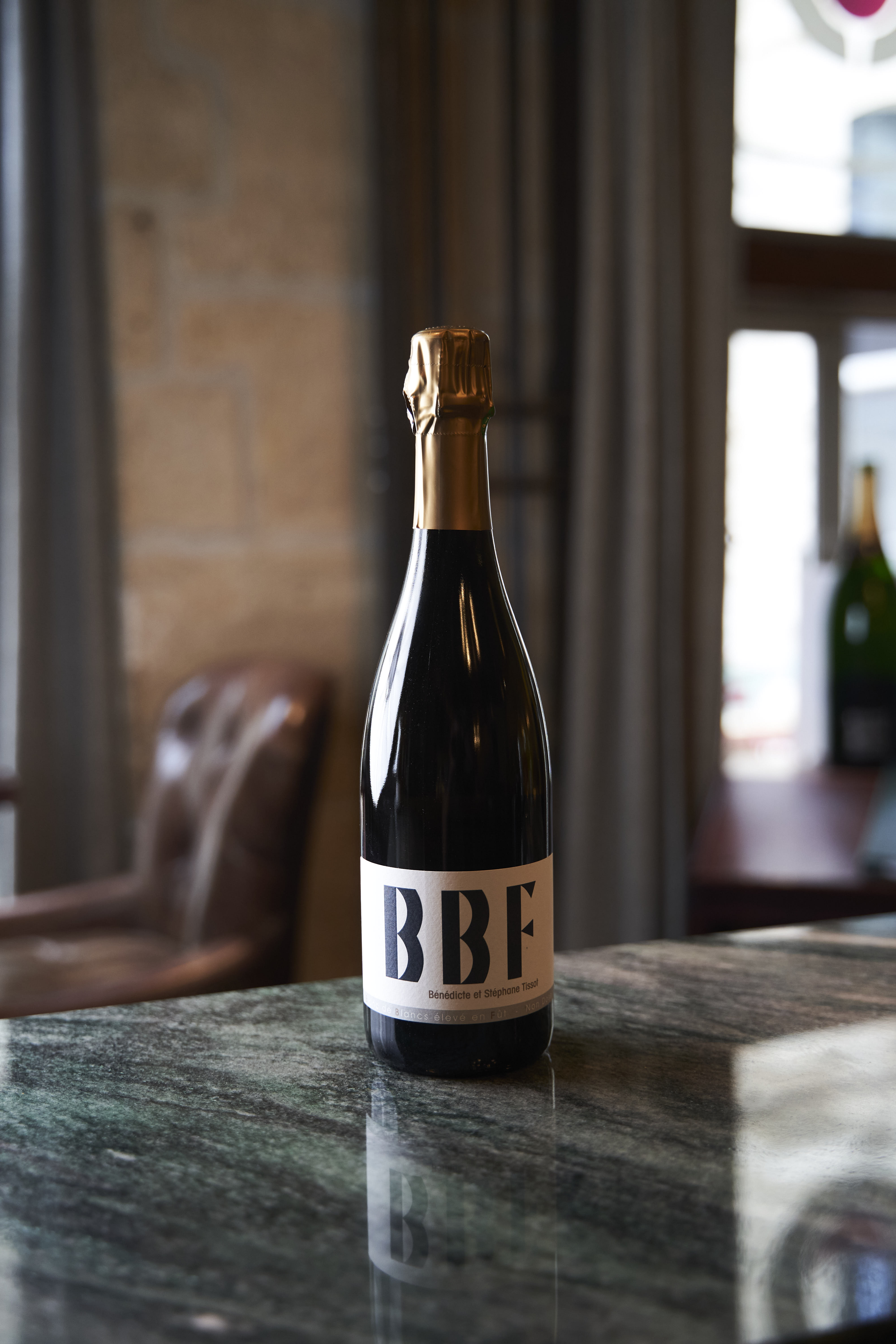
In Paris, a few addresses transform a simple glass into a genuine cultural moment :
Ô Chateau: The Champagne Flight that changes your perspective
Located near the Louvre, Ô Chateau is one of the capital’s most respected wine bars. The atmosphere is elegant without being intimidating cosmopolitan and lively. The signature experience not to miss? The Champagne Flight: three glasses of Champagne. Three carefully selected Champagnes, three distinct aromatic profiles, three interpretations of the same terroir. You might compare a highly mineral Blanc de Blancs, a Brut, and a Rosé Champagne. The sommelier guides the tasting with pedagogy and precision, never slipping into unnecessary technical jargon.
For a couple on a romantic escape or a group of food-loving friends, it’s a premium yet convivial and highly educational activity far more memorable than a simple terrace aperitif.
For a different perspective, you can also experience Champagne on the move, with a one-hour tasting cruise along the Seine. Led by a sommelier, this experience combines curated Champagne tastings with iconic Parisian views, from historic bridges to the city’s most emblematic landmarks. A refined and slightly unexpected way to enjoy Champagne in Paris, particularly appealing for those looking to combine sightseeing with a more immersive, sensory experience.
A Getaway to the Champagne Region
Just 45 minutes by train from Paris, the Champagne region offers visits to historic houses as well as independent producers. Walking through the vineyards, descending into chalk cellars carved into limestone, understanding the role of the soil it’s total immersion. Some experiences include private tastings and gourmet lunches at the estate perfect for an exclusive day trip from Paris.
Discovering Crémant in the Loire Valley
Less publicized than Champagne, the Loire Valley produces remarkably elegant Crémants. A wine-focused escape here combines tastings with visits to Renaissance châteaux. For travelers passionate about culture and history, it’s a refined and more confidential alternative.
Why a Champagne Tasting Is a True “Must-Do” in Paris
Because Paris is the world capital of the art of living, because understanding the difference between Champagne, Crémant and Prosecco means entering a centuries-old culture, and because a moment spent around a Champagne Flight at Ô Chateau leaves a deeper impression than a simple photo in front of a monument.
For discerning, curious and epicurean international travelers, these experiences offer exactly what one seeks while traveling: meaning, flavor, emotion. And perhaps that’s the real difference between these sparkling wines: some celebrate a moment, others tell a story. In Paris, you can experience both.